— by Anne Robichaud – An Umbrian tour guide in Italy most of the year, Anne also teaches Umbrian rural cuisine in private homes in the U.S. in February and March (see www.annesitaly.com/united-states-events/u-s-cooking-classes)… and lectures.
San Martino, Umbria – Rural people baptized it l’albero del pane (“the bread tree”) for this tree grew on the mountains where wheat would not grow (and if elevation was also too high for olive trees, walnuts gave oil). The chestnut has starred in the culinary history of many civilizations and nowadays, highlights many a central Italy food festival.
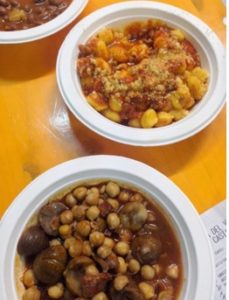 To discover the apex of chestnut culinary creativity, don’t miss the mid-November Festa del Vino e delle Castagne (Wine and Chestnuts Festival) of San Martino in Colle, a minuscule castle-village near Perugia.
As you enter the village through the medieval arch, you’ll see red-cheeked Signor Agostino roasting chestnuts over an open fire. At a stand nearby, a volunteer sells il vino novello (new wine, i.e. of this year’s harvest). Chestnuts and wine are inextricably linked in central Italy’s rural culture. A much-loved saying, “San Martino, San Martino, castagne e vino” (“San Martino, San Martino, chestnuts and wine”) comes to life here in Umbria on November 11th, the feast of St. Martin, when rural families gather to inaugurate their new wine with roasted chestnuts.
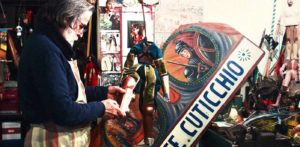
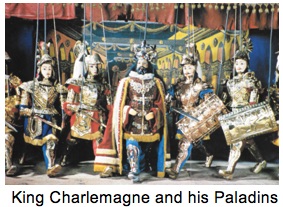 and crest. Knights are well-equipped: from the helmet on the head, and iron breastplate, the sword in the right hand … the shield on the left arm. Only the King, the Ladies, and the Pages are without armor.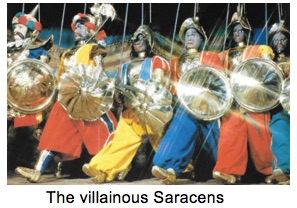
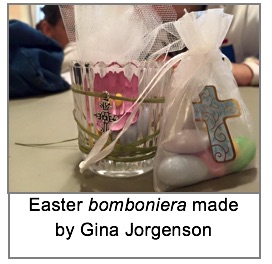 history and production of bomboniere and then used a variety of materials to create bomboniere of their own.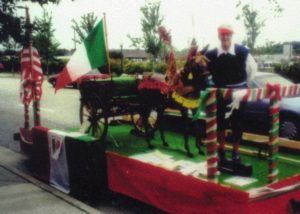
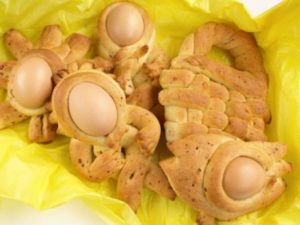
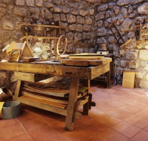 Unfortunately we all know that the speed of modern life can make it difficult to appreciate and give proper due to the old traditions and know-how of cabinet makers, inlayers, embroiderers, upholsterers, restorers, ceramicists, and shoemakers, among others. Artisans, their traditional workshops, and thus a small piece of history are unfortunately slowly disappearing throughout Italy.
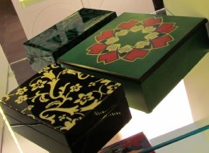 Well, rather than lament the state of affairs, our new friends at
 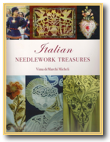 IFAFA Member Vima deMarchi Micheli, who has demonstrated and exhibited her beautiful lace creations at several IFAFA Conferences, has published a book entitled Italian Needlework Treasures. It is a guide for travelers interested in finding needlework in Italy, including embroiderers, lace-makers, collectors, antique dealers, and costume designers. The 146-page book contains over 84 colored photographs and 25 black and white photographs. The cost of the book is:
 My grandfather made homemade wine, and so did many Italian immigrants who came to the United States. It was a great tradition, and many people will tell you great stories about the annual fall event.